
Most Aussies walking into a casino on a Saturday arvo reckon the secret to longer sessions is picking the right table games with best odds, but the maths is only half the story. The other half is how a venue presents those tables, pays out in a currency you recognise, and handles the little service moments that decide whether you stay or drift off. In regional New South Wales, where a Saturday session can stretch late into the evening, players usually want clear signage, sensible minimums, and staff who can explain a rule without making you feel like you missed a maths class. That combination of probability, usability, and service quality is what actually shapes a good night at the tables.
Which table games give you the clearest mathematical edge

If you are chasing the lowest house edge, blackjack played with basic strategy is the obvious starting point, sitting closer to one per cent than most other options when the rules are friendly. European roulette with a single zero is another solid pick, and baccarat on the banker side keeps the edge modest if you ignore the side bets that look tempting but quietly tilt the maths against you. What I look for as a marketer who has spent years mapping the player lifecycle is not just the edge on paper, but how consistently a venue honours the rules that create it. A table that advertises a low edge but runs a six-deck shoe with late surrender removed changes the whole equation, and players who notice that kind of detail tend to stick around longer because they trust what they are seeing. That trust is the real retention lever, because a player who understands the conditions is far less likely to chase losses on a whim.
How odds translate into a longer, calmer session
The way I see it, the best odds only matter if they fit the way you actually play, because a mathematically friendly table can still wear you down if the pace, the limits, or the service around it are off. In my experience building retention flows, the players who stay longest are the ones whose session length matches their bankroll plan, not the ones who keep switching games every ten minutes hoping the numbers will suddenly turn. A venue that offers clear minimums, sensible table limits, and staff who can point you toward the right game without upselling you into a side bet is doing the same job a good CRM flow does in online play – it keeps the experience predictable enough that you can make a real choice. That predictability is what turns a favourable edge into a session you can actually manage, rather than a quick burst of hope that burns out before the evening is over.
Usability, language, and the little things that keep you at the table
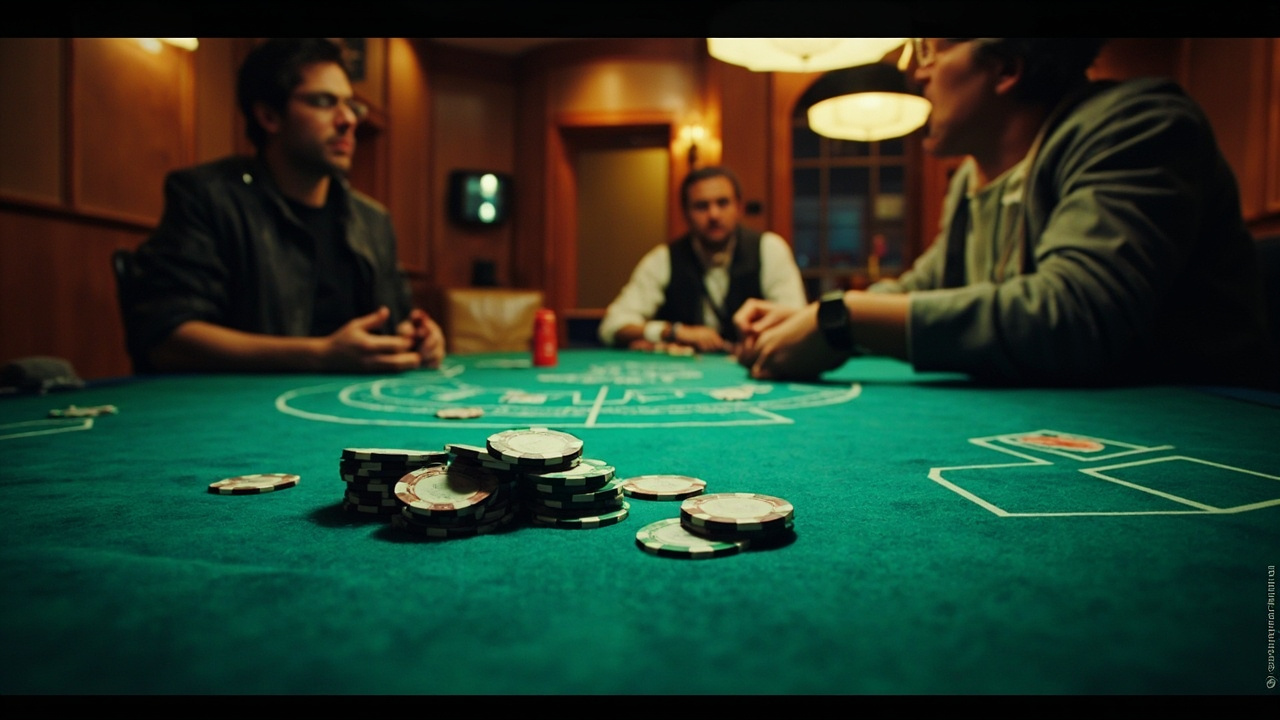
A strong table games setup is not just about the maths, because the visual identity, the way tables are laid out, and the language on the felt all affect whether you can settle in without fuss. When you are comparing where to play, a site like spinaud.com shows how a clear local focus – Australian dollars, straightforward navigation, and support that actually answers in English – can make the odds feel more usable rather than just theoretical. For players who prefer to check a few options on a tablet before heading out, a short read on Android-tablet casinos can help you compare layouts and payment options without getting lost in a cluttered menu. In regional New South Wales, where a Saturday session can mean driving a fair stretch and then settling in for a few hours, that kind of clarity matters more than a flashy welcome screen, because the real test is whether you can find your table, read the rules, and get help quickly if the pace changes.
Service quality, loyalty, and the commercial side of the odds
The commercial reality is that table games with best odds only become genuinely valuable when the service around them is steady, because retention is built on the small moments as much as the big ones. A VIP contact who remembers your usual table, a support team that resolves a payout query without making you repeat yourself, and a loyalty structure that rewards session consistency rather than just big bets all reinforce the same message: the venue is built for people who want to play properly, not just blow through a bankroll. In my work connecting customer service with monetisation, I have seen the same pattern across channels – players stay longer and spend more predictably when the experience feels organised and the rules are clear, which is exactly what a well-run table floor should deliver. No one is pretending the house always wins, but a venue that treats odds, service, and loyalty as one connected system gives you a much better chance of making your own numbers work for the evening.